Live Events Are Back — And They Hit Differently Now
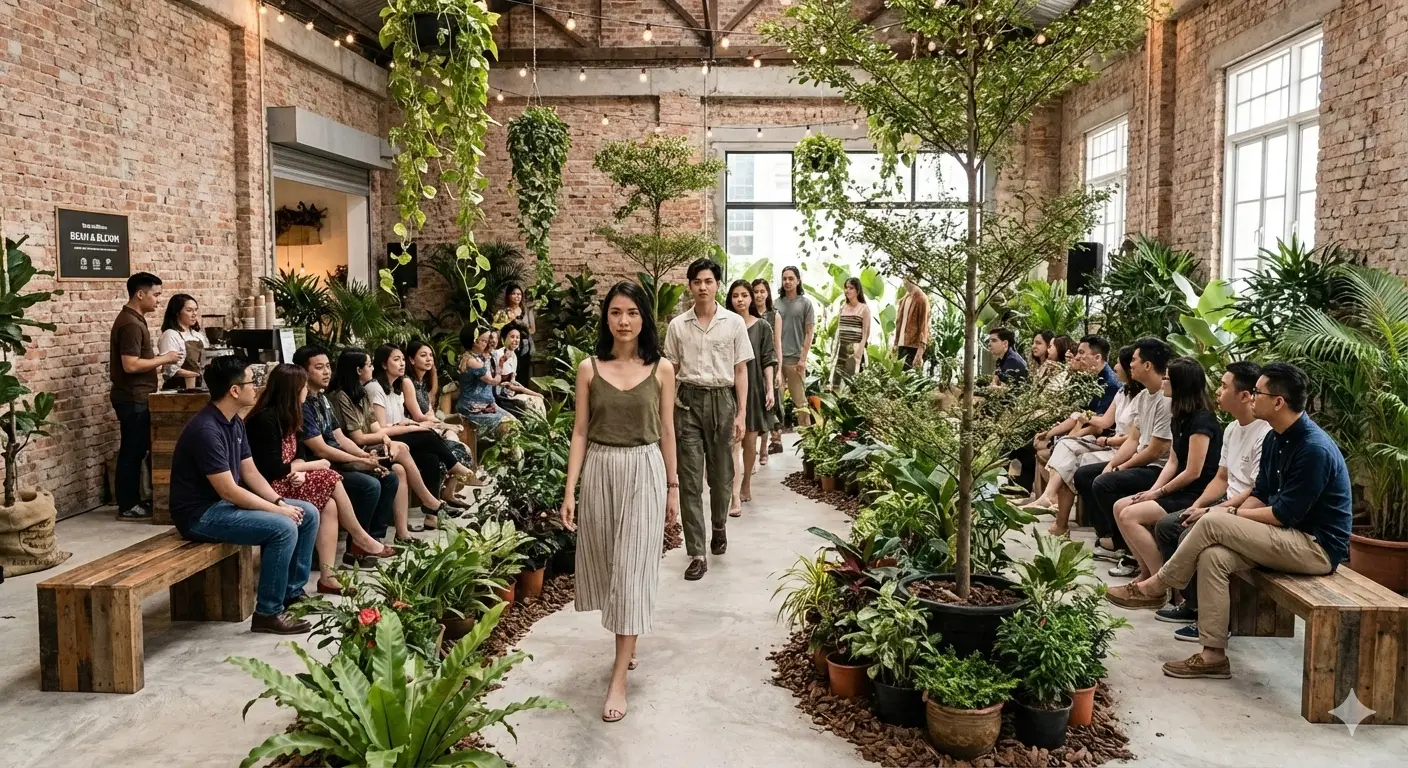
After years of digital-first everything, in-person events have made a massive comeback. Craft markets, art fairs, local brand pop-ups, community festivals, and networking events are packed again — and for good reason. In a world saturated with AI-generated content and digital noise, a genuine face-to-face experience is remarkably rare and remarkably powerful.
For artists, freelancers, and local brand owners, live events offer something no Instagram ad can replicate: direct human connection. A customer who discovers your work at a market, speaks with you personally, and watches you explain your process is a fundamentally different type of buyer than someone who scrolled past your feed.
But here’s the gap most small business owners and creatives fall into: they show up, they sell, they go home. They don’t capture leads. They don’t build an email list. They don’t create content. And next month, they start from zero again.
Before the Event: Set Up Your Capture System
Every live event should feed your long-term marketing ecosystem. That means having a system in place before you arrive to capture names, emails, and social followers from every interaction.
• Set up a simple email sign-up (a tablet with a form, or a QR code linking to your Mailchimp/Klaviyo landing page) with a clear incentive: 10% off their first order, a free download, early access to new work.
• Create a dedicated event hashtag or social handle card displayed prominently at your booth. Give people a reason to follow you right now.
• Prepare a short elevator pitch — not just about what you sell, but about your story and your process. People don’t just buy products; they buy people.
During the Event: Content Creation Is Part of the Job
Every live event is also a content shoot. You’re surrounded by your work, your customers, your craft, and your brand in action. Use it.
• Capture short behind-the-scenes videos of your setup, your products up close, and customer reactions (with permission). These are your best-performing social posts.
• Go live on Instagram or TikTok for even 5–10 minutes. “Come find me at [event name], Booth 12” drives foot traffic in real time.
• Ask happy customers if they’d be willing to share a quick video reaction or testimonial. Offer them a small discount in return. Authentic social proof is worth its weight in gold.
Pro Tip: One post from the event performs 10x better than a post made at your desk about the event. Bring your phone, capture raw moments, and post in real time.
After the Event: The 72-Hour Follow-Up Window
The energy you built at the event doesn’t have to evaporate Sunday night. Here’s how to extend the momentum:
• Send a thank-you email to everyone who signed up at the event within 48 hours. Include a photo from the day, a personal note, and a reason to buy: a limited-time offer, a new product announcement, or a peek at what’s coming next.
• Post a recap of the event on social media: your booth, your favorites pieces, your people. Tag the event organizer. Thank the community.
• Follow up with any B2B contacts or collaboration leads from the day. A short message on LinkedIn referencing your conversation goes a long way.
Measuring Your Event ROI as a Creative
You don’t need a spreadsheet to know if an event is working. Track these three numbers for every event you do:
• Revenue on the day: direct sales at the booth
• Leads captured: email sign-ups, QR code scans, new social followers
• Downstream revenue: sales made within 30 days by people who discovered you at the event
That third number is where most creatives and freelancers are leaving serious money uncounted. Your events are generating demand that converts later — but only if you have the email list and follow-up system to close it.
