Why Your Post-Event Email Sequence Is Losing You Business
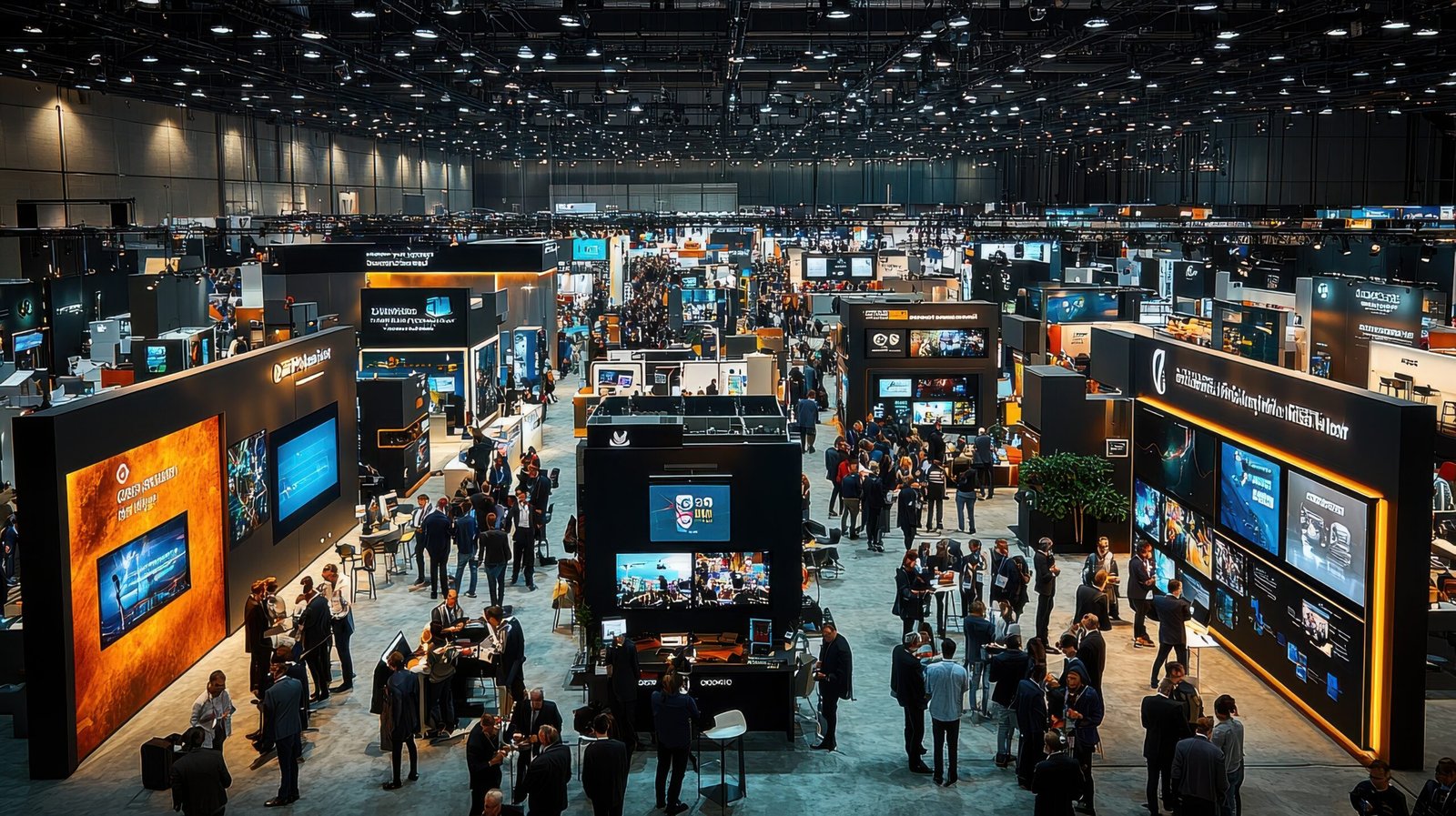
Here’s a pattern I’ve watched play out at trade show after trade show: a company spends $40,000 on a booth, $15,000 on travel and shipping, another $10,000 on promotional materials, and then sends one generic “Great meeting you at [Event]!” email three weeks later to everyone who scanned their badge. Then they wonder why events don’t produce the ROI they expect.
The problem isn’t the event. The problem is what happens — or doesn’t happen — after it.
Post-event email is one of the highest-ROI opportunities in marketing. You have a warm audience, recent context for a conversation, and a brief window where the connection is still fresh. Most brands waste that window. Here’s a framework for not wasting it.
The event gets you in the room. The follow-up sequence is what converts that presence into pipeline.
Why Post-Event Email Sequences Fail
Before I give you the framework, it’s worth understanding why the standard approach underperforms so consistently.
They’re too slow.
Sending your follow-up two or three weeks after the event means you’re sending it after the lead has had a dozen other conversations, received a dozen other follow-ups from competitors, and largely forgotten the specific exchange they had at your booth. The window for warm outreach is measured in days, not weeks.
They’re too generic.
“Great to meet you at [Event]. Here’s our brochure.” This email treats a trade show lead the same as a cold list, which is exactly the wrong approach. The person at the event was warm. They stopped at your booth. They had a conversation. Your email should acknowledge that.
They’re not segmented.
The person who stopped for thirty seconds to grab a pen is not the same as the person who had a twenty-minute demo conversation and asked for a proposal. Sending the same email to both is inefficient at best and actively damaging at worst — over-promising to the cold prospect, under-serving the hot one.
The Four-Email Post-Event Framework
What follows is the framework I’ve used across pharmaceutical, promotional products, and e-commerce clients. The timing and content adjust by industry and sales cycle, but the structure holds.
Email 1: Within 24 Hours of the Show Closing
This email does one thing: it reestablishes the connection while the context is still fresh and delivers immediate value.
- Subject line approach: Reference the specific event by name. Not “Following up on our conversation” — “Great talking to you at ACVIM Thursday.”
- Content: One sentence about what you discussed (if your team logged conversation notes on the floor, use them). One piece of relevant value — a resource, a link, a quick insight relevant to their stated challenge. A soft next step.
- Length: Three to five short paragraphs. Not a product catalog.
Key Principle: The goal of Email 1 is not to sell. It’s to re-earn the attention you already earned on the floor, before the memory fades.

Email 3–5 Days Later: The Relevant Insight
By day three, most of your competitors’ follow-up emails have already landed. This is when you differentiate by providing something genuinely useful rather than another pitch.
- Content: A piece of content — an article, a case study, a short insight — directly relevant to the conversation you had. If you talked about email deliverability, send them a resource on deliverability. If you talked about trade show ROI, send them a measurement framework.
- The goal here is not conversion. The goal is to be the follow-up that the prospect actually reads and finds useful. That’s how you stay top of mind.
Email 7–10 Days: The Soft Offer
Now you’ve re-established the connection and demonstrated value. This is the first email where you make a direct ask — but it should still feel low-pressure.
- Content: A direct but no-pressure invitation. A 20-minute call. A product demo. A free assessment or audit. Whatever the appropriate next step is in your sales cycle.
- Frame it around their problem, not your product. “Based on what you told me about your follow-up challenges, a 20-minute walkthrough of how we’ve solved that for similar companies might be useful. No pressure either way.”
Email 14–21 Days: The Direct Ask
For leads that haven’t responded to any of the previous emails, this is your final follow-up. Make it direct and honest.
- Subject line approach: Something simple and human. “Still worth a conversation?” or “Should I close the loop on this?”
- Content: Two sentences. You’re checking in, you still think there’s value in talking, and you’re happy to take the initiative off their plate. If they’re not interested, no problem.
- Why this works: It acknowledges the reality of the situation without being pushy. People respect directness, and this email often gets responses from leads you’d otherwise write off.
Segmentation That Changes Everything
The four-email framework above is your foundation. But the follow-up that actually converts uses segmentation based on engagement level.
- Hot leads (20+ minute conversations, demo attended, expressed interest in pricing): Skip the slow build. Go directly to a proposal or meeting invitation within 48 hours. These people have signaled intent. Don’t treat them like a cold prospect.
- Warm leads (substantive conversation, stated a problem that you solve): The four-email framework works well here. Use their specific stated problem in every email.
- Cold leads (badge scan only, brief interaction): Condense to a two-email sequence: one connection email, one value-add. Then move them to your general nurture program.
The Benchmark to Beat: Post-event email sequences with proper segmentation and timing typically see 35-45% open rates on Email 1 — well above the 20-25% benchmark for standard marketing email. That gap is entirely explained by the warm context. Don’t waste it.
The Setup That Makes This Possible
None of this works without one prerequisite: good data capture on the show floor. Your team needs to be logging, at minimum:
- Name, company, title, email (obvious, but often done sloppily)
- A one-sentence note on the conversation topic or stated challenge
- A lead quality rating (hot / warm / cold)
If you use a badge scanner app that syncs to your CRM, set it up before the event. If you’re doing manual data entry, build a simple intake form your team can fill in on their phones during or immediately after conversations. The data discipline at the event determines the personalization quality of everything that follows.
The Technical Side: Tools That Help
You don’t need an enterprise platform to run a solid post-event sequence. The tools that matter most are:
- Your CRM (HubSpot, Salesforce, or even a well-organized spreadsheet) to segment and track contacts
- An email automation platform (Klaviyo, Mailchimp, or HubSpot) to schedule and trigger the sequence
- A calendar or scheduling tool (Calendly, Google Calendar) as your primary CTA for hot leads
The biggest technical mistake I see: collecting leads at an event in one system and then manually exporting and importing them into another before follow-up can even begin. Set up the integration before the event, not after.
Measuring Whether It's Working
Three metrics tell you most of what you need to know about your post-event sequence performance:
- Open rate by touch: If opens crater after the first email, your subject lines or send timing are the problem.
- Reply rate by segment: If hot leads aren’t replying, your call to action or personalization needs work. If cold leads are, your value messaging is strong.
Time to meeting or conversion: How many touches does it typically take to get a response? Optimizing this number is where the real ROI lives.
The event creates the opportunity. The sequence earns the relationship. Don't spend 90% of your budget on the first 3 days and nothing on the next 30.